Tired of hearing your neighbor's TV or the kids' playroom chaos through your walls? Soundproofing existing walls can dramatically improve your home's peace and quiet. You don't always need to hire a professional or embark on a major renovation. Many effective strategies can be done yourself, often with common tools and materials. This guide will walk you through practical, step-by-step methods to reduce unwanted noise.
Understanding how sound travels is the first step. Sound waves vibrate through air (airborne noise) and through solid structures (impact noise). Our goal is to block these paths by adding mass, creating an air gap, or dampening vibrations.
Step 1: Identify and Seal Gaps
This is often the cheapest and most overlooked step, but it makes a huge difference. Sound, like water, will find the easiest path.
- Inspect Thoroughly: Look for any cracks, gaps, or holes in your wall. Pay close attention around electrical outlets, light switches, window and door frames, and where walls meet the ceiling or floor.
- Use Acoustic Caulk: For small gaps (up to 1/4 inch), acoustic caulk (also known as soundproof caulk or sealant) is your best friend. It stays flexible, creating a long-lasting seal. Standard caulk can dry out and crack, losing its effectiveness.
- Seal Around Outlets and Switches: Remove the cover plates. Use foam gaskets specifically designed for outlets and switches. Fill any gaps around the electrical box with acoustic caulk or expanding foam (be careful not to overfill).
- Weatherstripping: For doors and windows, ensure they seal tightly when closed. Install or replace weatherstripping around the perimeter. A door sweep on the bottom of the door can block sound from passing underneath.
Step 2: Add Mass to the Wall Surface
Adding mass is a fundamental principle of soundproofing. Denser materials are harder for sound waves to vibrate through.
Option A: Extra Drywall Layer (Most Common DIY Method)
Adding a second layer of drywall is a effective strategy.
- Measure and Cut: Measure your wall and cut 5/8-inch thick drywall panels to size. Heavier drywall (5/8-inch instead of 1/2-inch) offers better sound isolation.
- Apply Green Glue (Optional, but Recommended): Green Glue Noiseproofing Compound is a viscoelastic dampening compound. Apply it in a random, "caulk gun" pattern (not a solid bead) to the back of your new drywall sheets. This creates a dampening layer between the two drywall sheets, converting sound energy into heat. Use about two tubes per 4x8 foot sheet.
- Attach New Drywall: Screw the new drywall sheets directly over the existing ones, staggering the seams from the original layer. Use 1 5/8-inch drywall screws. Ensure screws penetrate into the wall studs.
- Finish: Tape, mud, sand, and paint the new drywall as you would any new installation.
Option B: Mass Loaded Vinyl (MLV)
MLV is a flexible, heavy material that's excellent for blocking airborne noise.
- Cut to Size: Cut MLV sheets to fit your wall sections.
- Attach to Wall: You can attach MLV directly to the existing drywall using construction adhesive and screws with large washers. Overlap seams slightly and seal them with acoustic tape.
- Cover: For aesthetic reasons, you'll typically want to cover the MLV with a new layer of drywall, fabric, or other decorative panels. The MLV acts as an excellent sound barrier, and the drywall provides the finished surface and additional mass.
Step 3: Decoupling (More Advanced DIY)
Decoupling means separating the layers of a wall so vibrations can't easily transfer. This is harder to do on an existing wall without opening it, but there are some surface options.
Resilient Channels
If you're willing to remove the existing drywall, resilient channels are a great option. They are thin metal strips that screw into the studs. New drywall then screws into the channels, not directly into the studs, creating a "floating" wall that significantly reduces sound transmission.
DIY Resilient Channel Installation:
- Remove existing drywall.
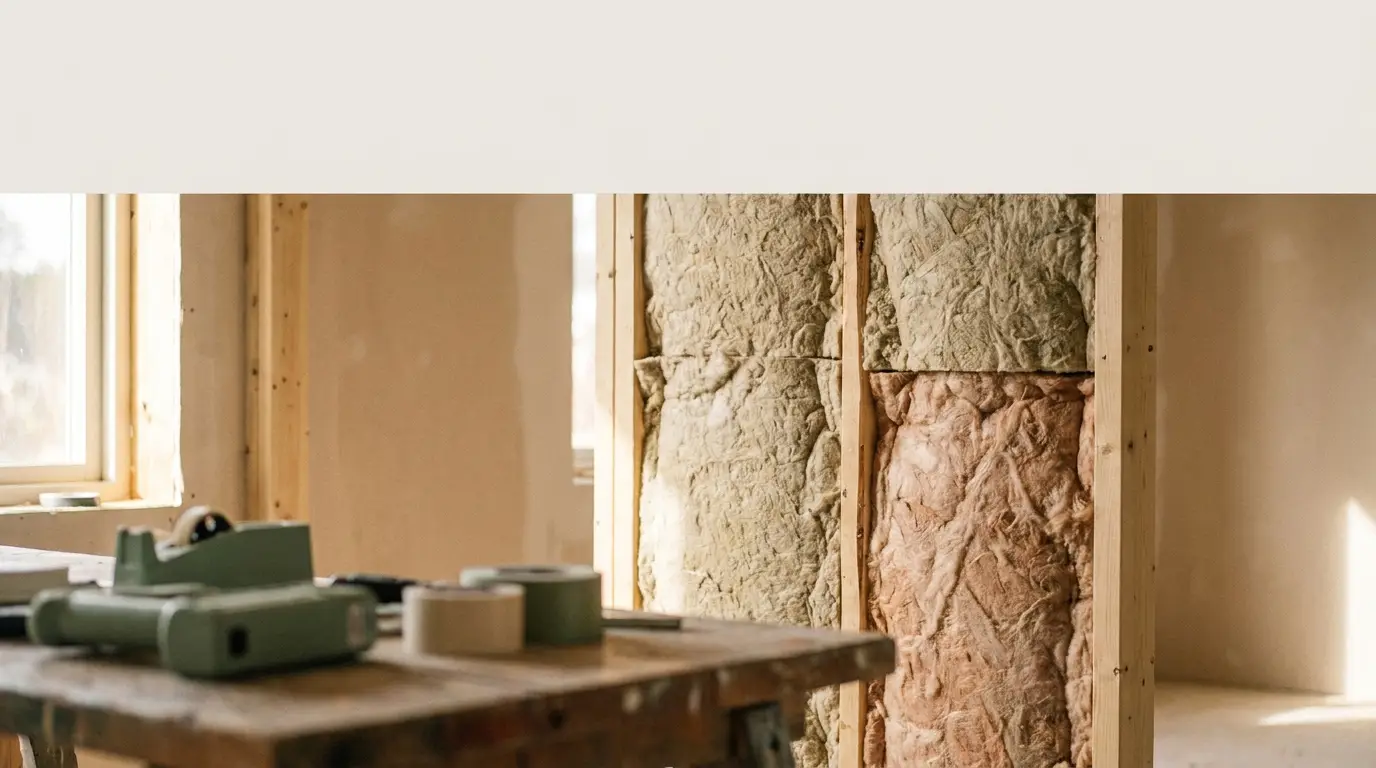
- Install fiberglass insulation in the wall cavity.
- Attach resilient channels horizontally to the studs, spacing them about 24 inches apart.
- Screw new 5/8-inch drywall into the resilient channels, being careful not to "short circuit" them by screwing into the studs.
- Apply Green Glue between drywall layers if adding a second layer.
Step 4: Absorb Sound with Acoustic Panels
While not strictly sound blocking, acoustic panels absorb sound reflections within a room, making the room itself quieter and less echoey. This can indirectly reduce the perception of noise coming through the wall.
- Purchase or DIY Panels: You can buy pre-made acoustic panels or build your own using rigid fiberglass insulation (like Rockwool Safe'n'Sound) covered in fabric and mounted on a frame.
- Placement: Place panels on the wall you're trying to soundproof, or on opposite walls to reduce flutter echo. Aim for at least 15-20% coverage of the wall surface for noticeable improvement.
Step 5: Address Flanking Noise
Flanking noise is sound that bypasses your treated wall by traveling through adjacent structures, like the ceiling, floor, or connected walls.
- Check Ceilings and Floors: If noise is still an issue, consider if it's traveling through the ceiling or floor joists. Adding mass to the ceiling (extra drywall, MLV) or using thick rugs and underlayment on floors can help.
- Adjoining Walls: Ensure adjacent walls are also sealed, especially in corners where sound can easily "leak."
Soundproofing an existing wall is a project that requires patience and attention to detail. By combining several of these methods, you can achieve a significant reduction in noise, transforming your living space into a more peaceful environment. Remember, every little bit helps, so even starting with sealing gaps can make a noticeable difference.