Building a treehouse for your children can be one of the most rewarding backyard projects. It creates a magical space for play, imagination, and a little bit of adventure. While it might seem daunting, with careful planning and the right tools, it's a project many DIY enthusiasts can tackle. This guide will walk you through the essential steps, from choosing the right tree to putting on the finishing touches.
Before you even pick up a hammer, safety and planning are paramount. A poorly constructed treehouse can be dangerous. Your primary goal is to create a structure that's not only fun but also structurally sound and secure for years of play.
Phase 1: Planning and Design
1. Choose the Right Tree
This is arguably the most critical step. You need a strong, healthy, mature tree that can support the weight of the treehouse and its occupants. Look for:
- Tree Species: Oak, maple, sycamore, and large firs are excellent candidates. Avoid brittle trees like silver maples or trees with shallow root systems.
- Health: Inspect the tree for rot, disease, or dead branches. A certified arborist can assess the tree's health if you're unsure.
- Trunk Diameter: The main support trunk(s) should be at least 12-18 inches in diameter for a medium-sized treehouse (around 8x8 feet).
- Branch Configuration: Consider how branches can be integrated into the design or if they'll need to be trimmed.
2. Design Your Treehouse
Sketch out your vision. Consider:
- Size and Shape: How big do you want it to be? A 6x6 foot platform is a good starting point for smaller kids.
- Access: A ladder is classic, but stairs with a handrail are safer for younger children.
- Roof Style: A simple shed roof or a gable roof are common.
- Safety Features: Railings (at least 36 inches high with balusters no more than 4 inches apart), non-slip surfaces, and secure entry points are crucial.
- Weight Distribution: Plan how the weight will be distributed across multiple support points if using more than one tree.
3. Check Local Regulations
Before buying materials, contact your local building department. Some municipalities classify treehouses as accessory structures and may require permits, especially if they exceed a certain height or size. Ignoring these rules can lead to fines or forced demolition.
Phase 2: Materials and Tools
Having the right tools makes all the difference. For this project, you'll need:
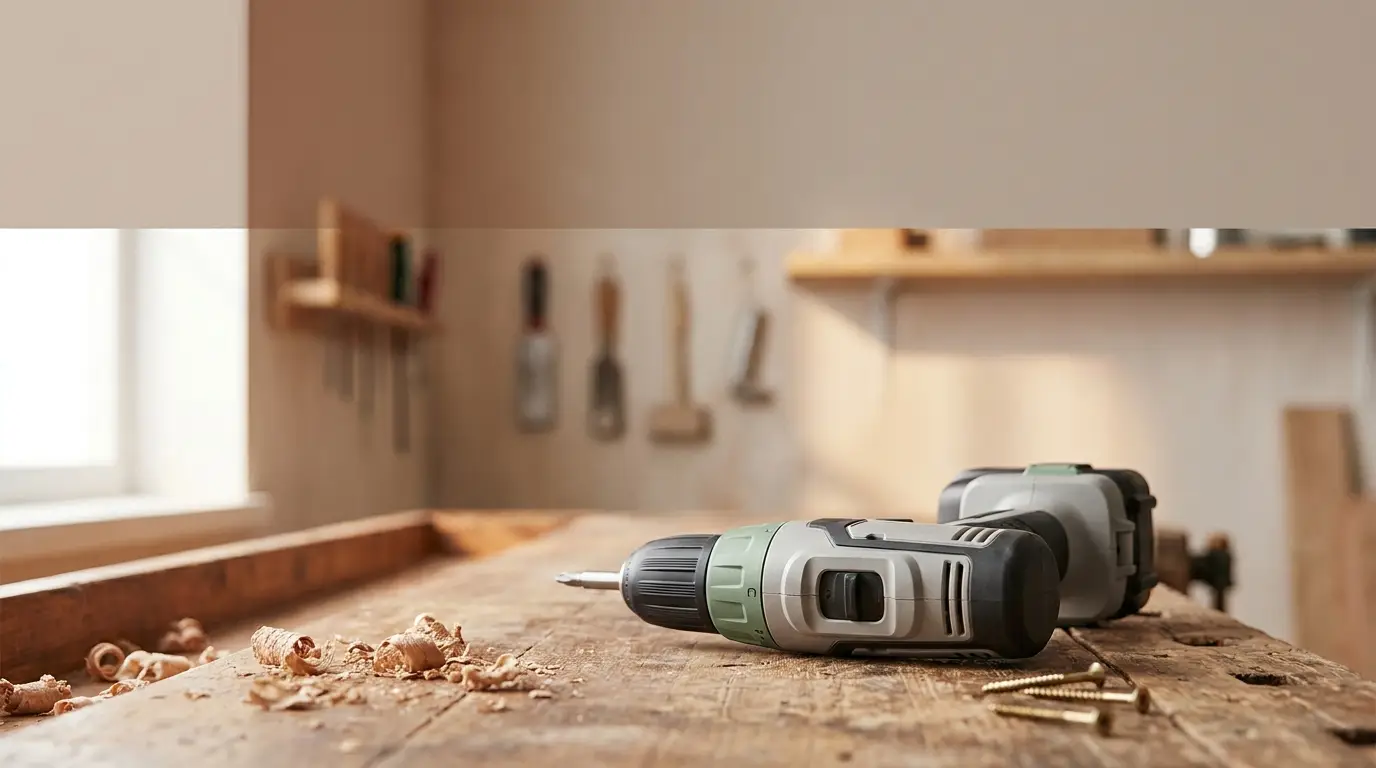
- Cordless Drill: A good quality cordless drill with plenty of torque is essential for driving screws.
- Circular Saw: For cutting lumber to size.
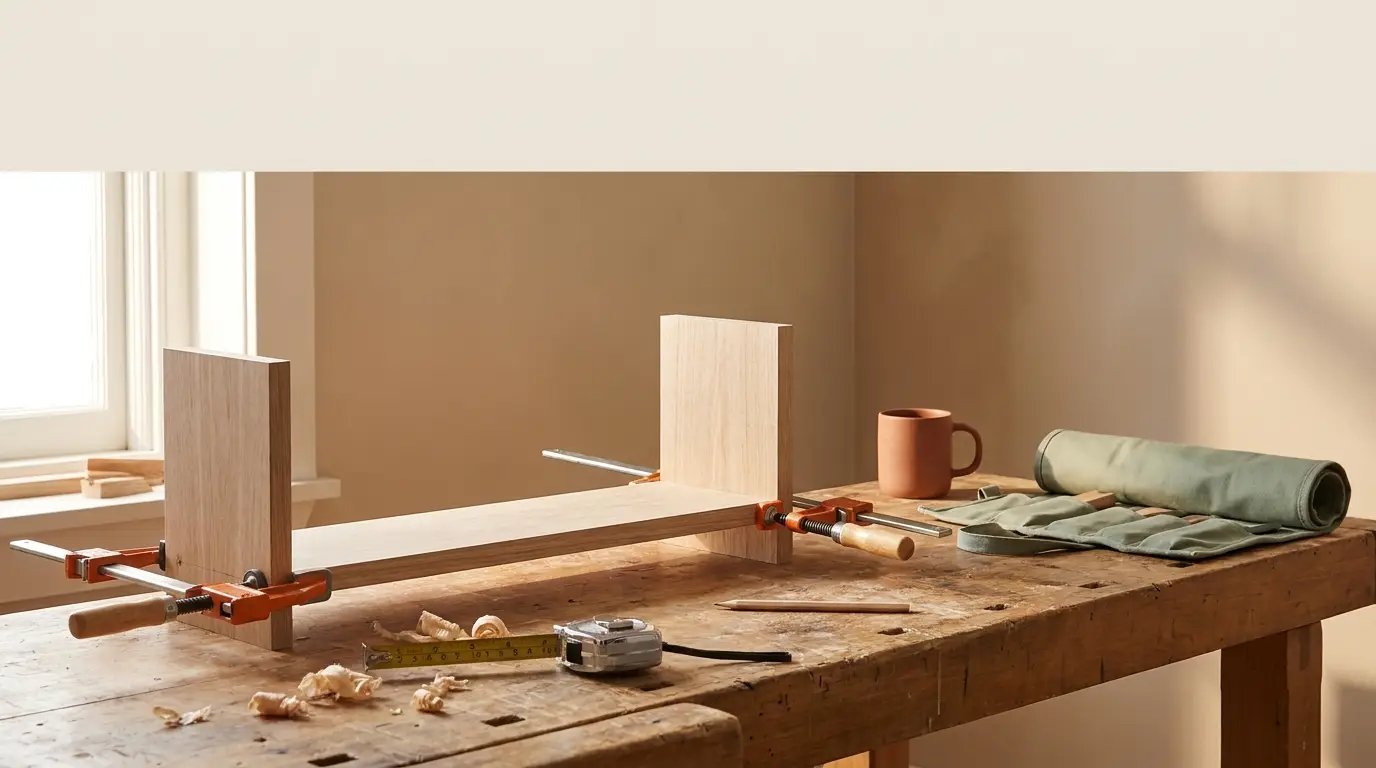
- Level, Tape Measure, Speed Square: For accurate measurements and cuts.
- Safety Gear: Gloves, safety glasses, hearing protection.
- Lumber: Pressure-treated lumber for the main structure (beams, joists, decking) is recommended for outdoor durability. Untreated lumber can be used for interior framing or non-structural elements, but should be painted or sealed.
- Fasteners: Hot-dipped galvanized lag screws, bolts, and deck screws to prevent rust.
- Tree Attachment Hardware: Specialized treehouse attachment bolts (TABs) are often preferred as they allow the tree to grow while providing strong support. Alternatively, a floating bracket system can be used.
Phase 3: Construction
1. Install Treehouse Attachment System
This is where the tree interface happens. If using TABs:
- Drill pilot holes into the tree at the planned support points.
- Install the TABs, ensuring they are level and properly angled. These typically have a large lag bolt that goes into the tree and a steel "floating" bracket that attaches to your beams.
- Mount your main support beams (e.g., 2x8 or 2x10 pressure-treated lumber) to these brackets. Ensure they are perfectly level across the tree(s).
Pro Tip: When attaching structural elements directly to the tree, use specialized treehouse attachment bolts (TABs). These are designed to allow the tree to grow around them without being girdled, ensuring the long-term health of the tree and stability of your treehouse. Avoid wrapping cables or chains directly around the trunk, as this can damage the tree over time.
2. Build the Platform Frame
Once your main support beams are in place:
- Attach ledger boards to the beams to create the outer frame of your platform.
- Install floor joists (e.g., 2x6 or 2x8 pressure-treated lumber) between the ledger boards, spaced 16-24 inches apart. Use joist hangers for secure connections.
- Ensure everything is square and level. This forms the foundation of your treehouse.
3. Install Decking
- Lay down pressure-treated decking boards (e.g., 5/4 x 6 inch) across the joists.
- Leave a small gap (about 1/8 inch) between boards for drainage and expansion.
- Secure each board with two deck screws at every joist.
4. Frame the Walls and Roof
- Build wall sections on the ground, then hoist and secure them to the platform.
- Frame out openings for windows and doors.
- Construct the roof frame. A simple shed roof slopes in one direction, while a gable roof has two sloping sides meeting at a ridge.
- Sheath the roof with plywood, then cover with roofing felt and shingles or metal roofing for weather protection.
5. Add Safety Features and Access
- Install sturdy railings around the entire platform and any open areas. The top rail should be at least 36 inches high, and vertical balusters should be no more than 4 inches apart to prevent children from slipping through.
- Build or install your chosen access method (ladder, stairs). If building stairs, ensure they have a stable handrail.
- Add a door if desired, with a secure latch.
6. Finishing Touches
- Sand any rough edges to prevent splinters.
- Apply exterior-grade paint or stain to protect the wood from weather and enhance its appearance.
- Consider adding fun elements like a pulley system for lifting toys, a small slide, or even a smart lighting system for evening play.
Building a treehouse is a significant undertaking, but the joy it brings to your children is immeasurable. Take your time, prioritize safety, and enjoy the process of creating a unique outdoor space. Remember to periodically inspect the treehouse and the tree for any signs of wear or damage, ensuring it remains a safe haven for years to come.